
COMMERCIAL CONSTRUCTION COSTS IN PORTLAND: What Owners Should Expect in 2026
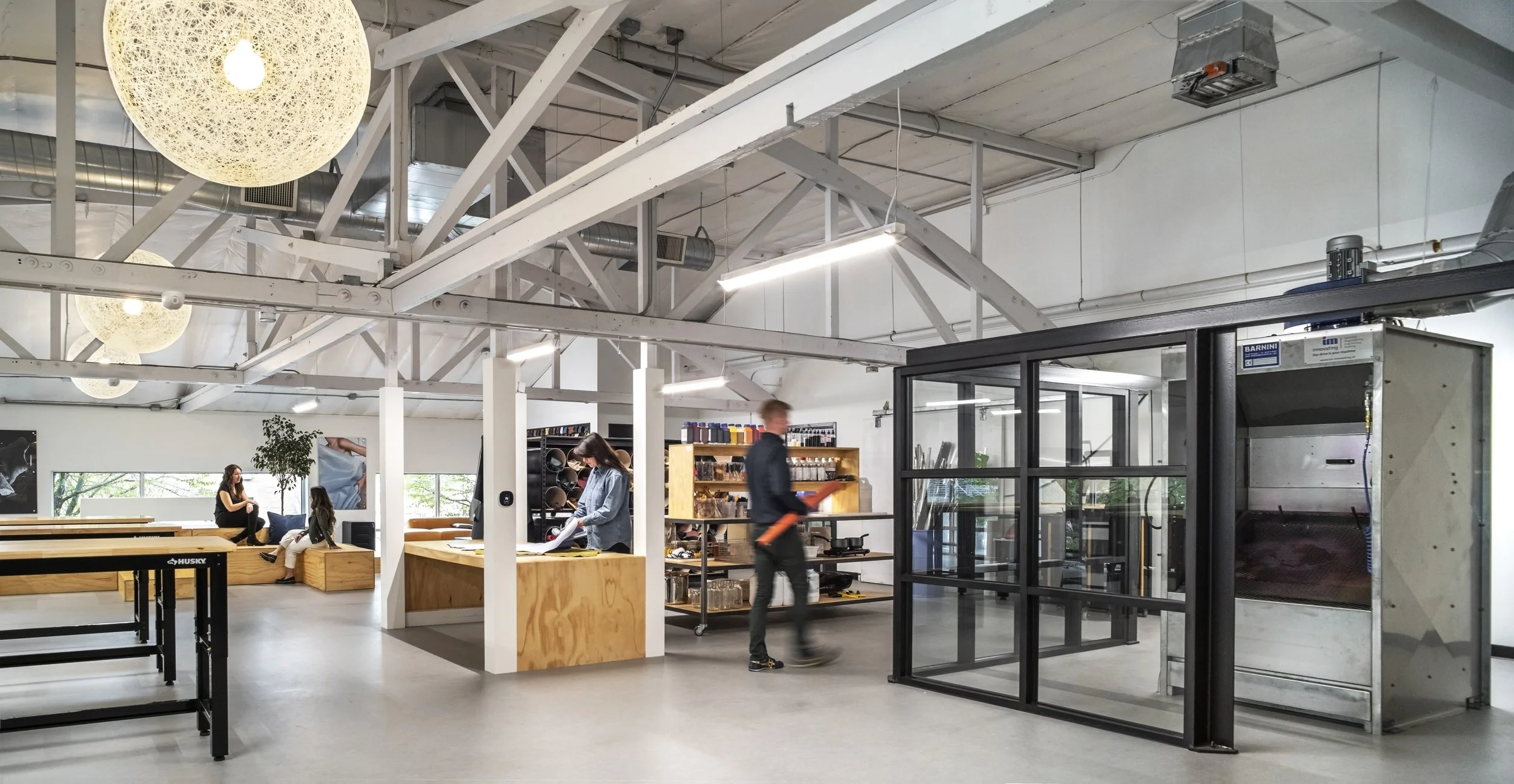
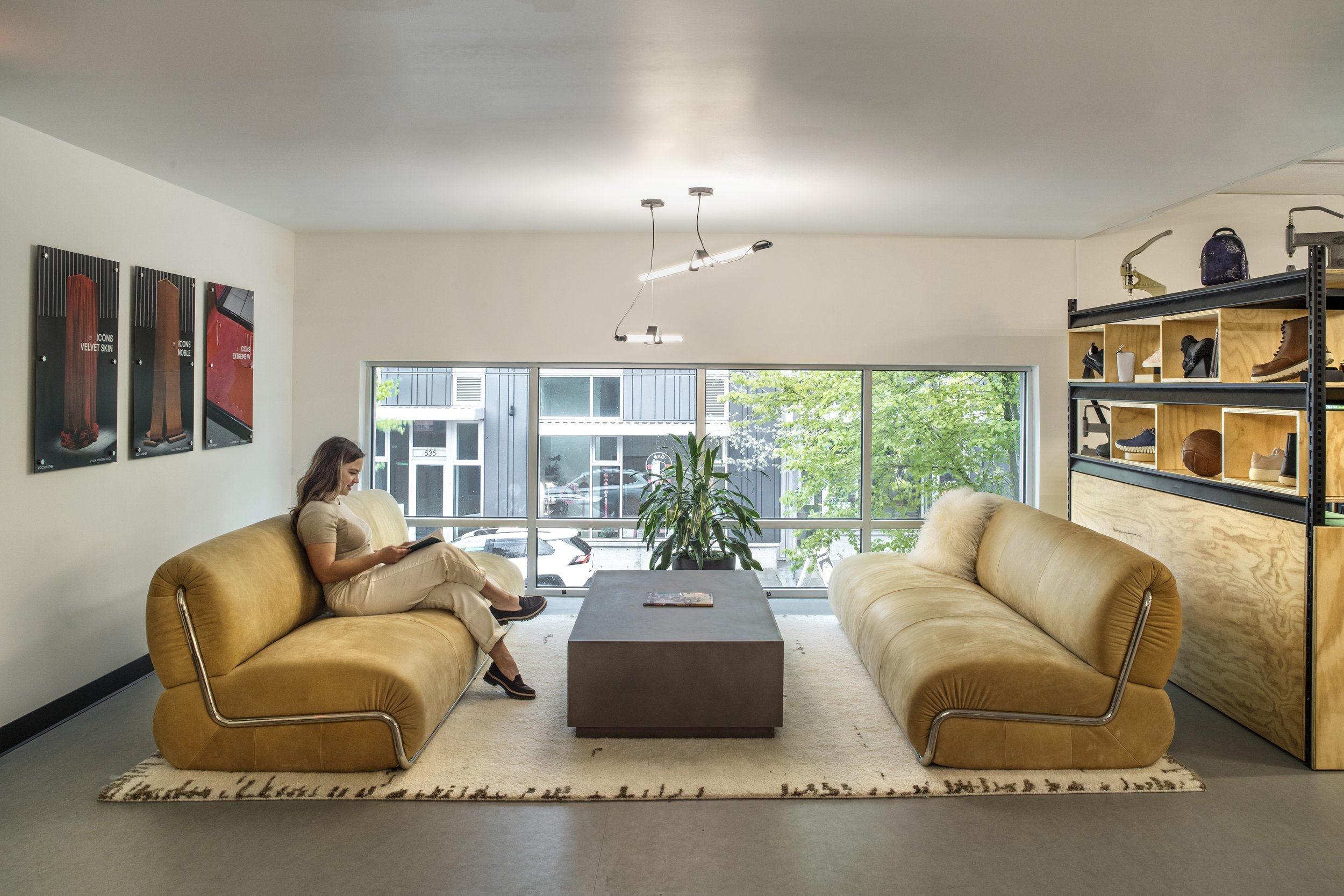
Commercial construction project completed by JHC Companies in Oregon.
HOW MUCH DOES COMMERCIAL CONSTRUCTION COST IN PORTLAND?
For property owners and developers planning a new project, one of the first questions that comes up is simple: How much does commercial construction cost in Portland?
While every project is different, understanding average construction costs and the factors that influence them can help owners plan realistic budgets and avoid costly surprises. Commercial construction pricing depends on a variety of elements including building type, location, design complexity, and material choices. Across the United States, commercial construction typically ranges from $240 to $870 per square foot depending on the type of building and project complexity. In markets like Portland — where labor demand, regulations, and sustainability requirements are higher — costs often fall toward the middle or upper end of that range.
In this guide, we’ll break down:
Average commercial construction costs
Cost differences by building type
Factors that influence project pricing
Strategies owners use to control budgets
Because of the variables below, early project planning is critical to establishing a realistic construction budget.
AVERAGE COMMERCIAL CONSTRUCTION COSTS PER SQUARE FOOT
Most commercial construction budgets are initially estimated using cost per square foot benchmarks. Across the United States, typical ranges include:
Warehouse / Industrial $120 – $200
Basic Retail / Commercial Shell $200 – $350
Standard Office Building $300 – $650
High-End Office / Specialized Facilities $650 – $1,000+
These numbers provide a starting point for planning, but they can vary significantly depending on project scope and specifications. For example:
A simple warehouse project will cost far less than a medical office building.
A tenant improvement project may be dramatically cheaper than ground-up construction.
Urban sites may require more expensive structural or infrastructure work.
Several key factors determine how much a commercial building ultimately costs.
WHAT DRIVES COMMERCIAL CONSTRUCTION COSTS IN PORTLAND?
1.BUILDING TYPE AND COMLEXITY
These differences explain why construction costs vary so widely between projects. Different building types require different systems and materials.
For example:
Industrial buildings often require large structural spans but fewer interior finishes.
Office buildings require extensive HVAC systems, electrical infrastructure, and interior construction.
Medical or laboratory spaces include specialized mechanical systems that increase cost.
2.DESIGN AND ARCHITECTURE
Working with a contractor early in the design phase helps identify opportunities to optimize cost without sacrificing design intent. Design decisions play a major role in determining total project cost. Industry research shows that 70–80% of construction costs are determined during the design phase.
Key design elements that influence cost include:
Building height
Structural systems
Exterior materials
Mechanical systems
Sustainability features
Interior finish levels
3.SITE CONDITIONS
Urban sites in particular may require additional work to prepare the property for construction. The location of the building site also plays a significant role.
Site-related costs may include:
excavation or grading
utility connections
environmental mitigation
soil stabilization
parking construction
4. PERMITTING AND REGULATORY REQUIREMENTS
Experienced contractors help navigate these processes to reduce delays and unexpected costs. Portland is known for its comprehensive building and environmental regulations. While these standards help improve building quality and sustainability, they can also increase project complexity and timeline.
Common regulatory costs include:
building permits
development fees
environmental compliance
utility infrastructure requirements

When owners evaluate project budgets, it’s important to understand the difference between hard costs and soft costs.
SOFT COSTS VS HARD CONSTRUCTION COSTS
HARD COSTS
Hard costs are the physical construction expenses. Hard costs typically represent 85–90% of construction expenses.
Examples include:
labor
materials
structural systems
mechanical systems
electrical systems
SOFT COSTS
Soft costs include planning and professional services. Soft costs typically account for 20–30% of the total project budgetdepending on complexity. Understanding both categories helps owners develop a more accurate overall budget.
Examples include:
architectural design
engineering
permits
financing
project management
HOW PRECONSTRUCTION PLANNING HELPS CONTROL COSTS
By addressing these factors early, project teams can make adjustments before construction begins — when changes are far less expensive. This approach is often called early contractor involvement, and it has become a preferred strategy for many developers because it improves budget certainty and reduces costly change orders. One of the most effective ways to manage construction budgets is through preconstruction planning.
During this phase, contractors work with owners and designers to evaluate:
project feasibility
budget estimates
material selection
scheduling
risk mitigation
Experienced developers and construction companies use several strategies to manage project budgets.
EXAMPLE COST SCENARIOS
To illustrate how project type affects pricing, consider these simplified examples.
EXAMPLE 1:
SMALL RETAIL BUILDING
Size: 8,000 sq ft
Estimated Cost Range:$1.6M – $2.8M
EXAMPLE 2:
MID-SIZED OFFICE BUILDING
Size: 20,000 sq ft
Estimated Cost Range: $6M – $13M
EXAMPLE 3:
INDUSTRIAL WAREHOUSE
Size: 40,000 sq ft
Estimated Cost Range: $4.8M – $8M
HOW DEVELOPERS REDUCE CONSTRUCITON COSTS
Early Contractor Collaboration - Bringing a contractor into the project early helps identify cost-saving opportunities during the design phase.
Value Engineering - Value engineering evaluates alternative materials or systems that achieve the same performance at a lower cost.
Accurate Scheduling - Efficient scheduling reduces labor costs and avoids delays that increase overhead.
Clear Project Scope - Clearly defining project requirements early helps prevent costly revisions later.
WHY EARLY PLANNING MATTERS FOR COMMERCIAL PROJECTS
Construction costs are influenced by many moving parts — materials, labor, permitting, and design decisions. Because of this complexity, the most successful commercial projects begin with careful planning and collaboration between owners, architects, and contractors.
Early planning improves:
budget accuracy
project timelines
risk management
overall construction efficiency
For owners and developers, the advantages of planning can significantly impact the success of a project.
FAQ: COMMERCIAL CONSTRUCTION COSTS
What is the average cost per square foot for commercial construction?
Commercial construction costs typically range from $240 to $870 per square foot depending on building type and complexity.
Why do commercial construction costs vary so much?
Each project has unique requirements that affect total construction cost. Costs vary based on:
building size
design complexity
location
site conditions
interior finish levels
How can owners reduce construction costs?
planning early
involving contractors during design
using value engineering
creating realistic budgets

Planning a Commercial Construction Project?
Early planning helps prevent costly surprises.
Schedule a consultation with JHC Companies to discuss your project and identify cost-saving opportunities before construction begins.