
COMMERCIAL CONSTRUCTION COSTS IN PORTLAND: 2026 Guide for Developers & Property Owners
If you are planning a commercial construction project in Portland, one of the first and most important questions is: How much will it cost per square foot?
While every project is different, Portland construction costs typically reflect a combination of national market trends, West Coast labor premiums, regulatory requirements, and site-specific conditions. In 2026, commercial construction costs in the United States generally range from $240 to $870 per square foot, depending on building type, complexity, and finish level. Portland typically trends 8–12% higher than national averages due to labor demand, permitting complexity, and material costs. But understanding the real cost of your project requires more than a single number.
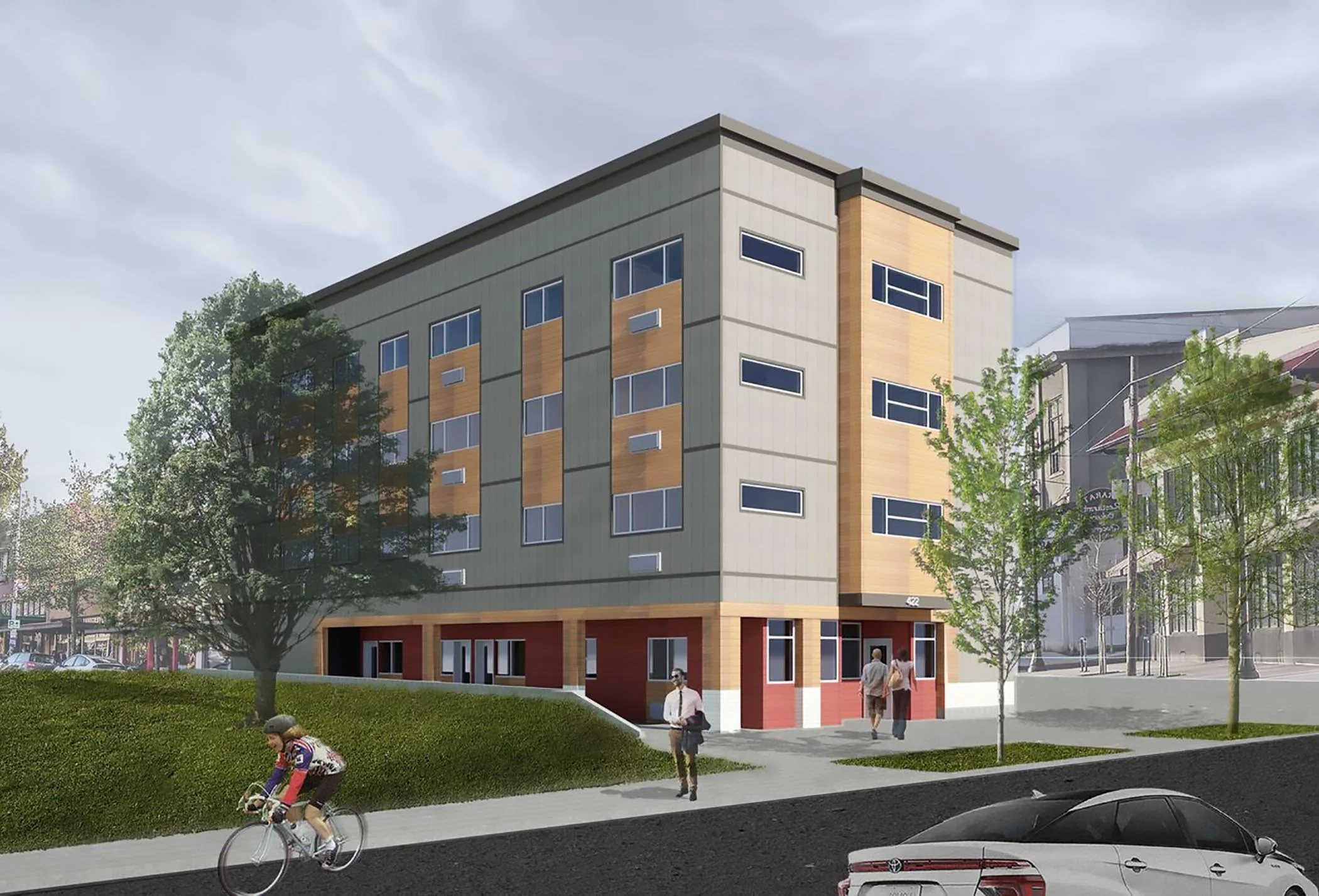
Commercial construction project in Portland, Oregon managed through early preconstruction planning.
AVERAGE COMMERCIAL CONSTRUCTION COSTS IN PORTLAND OREGON (2026).
PORTLAND REALISTIC RANGES:
Most commercial construction budgets are developed using cost per square foot benchmarks.
High-end / specialty facilities | $650 – $900+ per sq ft
Light industrial / warehouse| $150 – $250 per sq ft
Retail / commercial shell | $250 – $450 per sq ft
Office buildings| $300 – $650 per sq ft
These ranges vary significantly based on design complexity, structural systems, and tenant requirements. For example:
A simple warehouse may cost less than half of a multi-story office building
A tenant improvement may cost significantly less than ground-up construction
Urban infill sites often cost more due to access and utility constraints
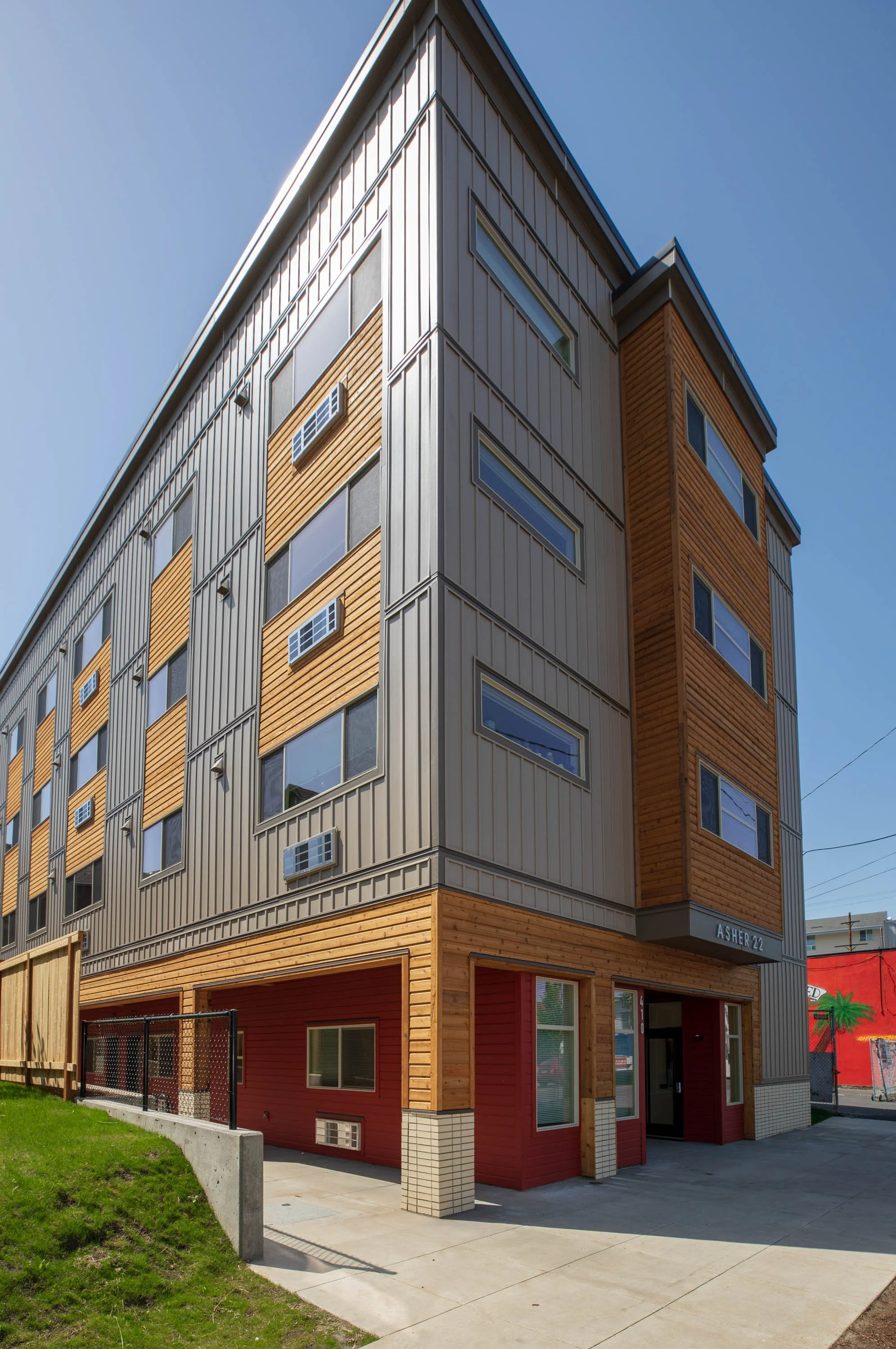
Portland is a unique construction market. Several factors drive higher costs.
WHY ARE PORTLAND CONSTRUCTION COSTS ARE HIGHER THAN THE AVERAGE?
Each of these adds cost before vertical construction even begins.
LABOR AVAILABILITY & COST
Skilled labor shortages continue to drive up wages across trades.
REGULATORY & PERMITTING COMPLEXITY
Portland’s permitting process adds time and cost to projects, especially for:
environmental compliance
seismic requirements
energy efficiency standards
MATERIAL PRICING VOLATILITY
Concrete, steel, and electrical components continue to fluctuate based on national supply chains.
SITE CONDITIONS
Urban infill sites often require:
demolition
soil remediation
utility relocation
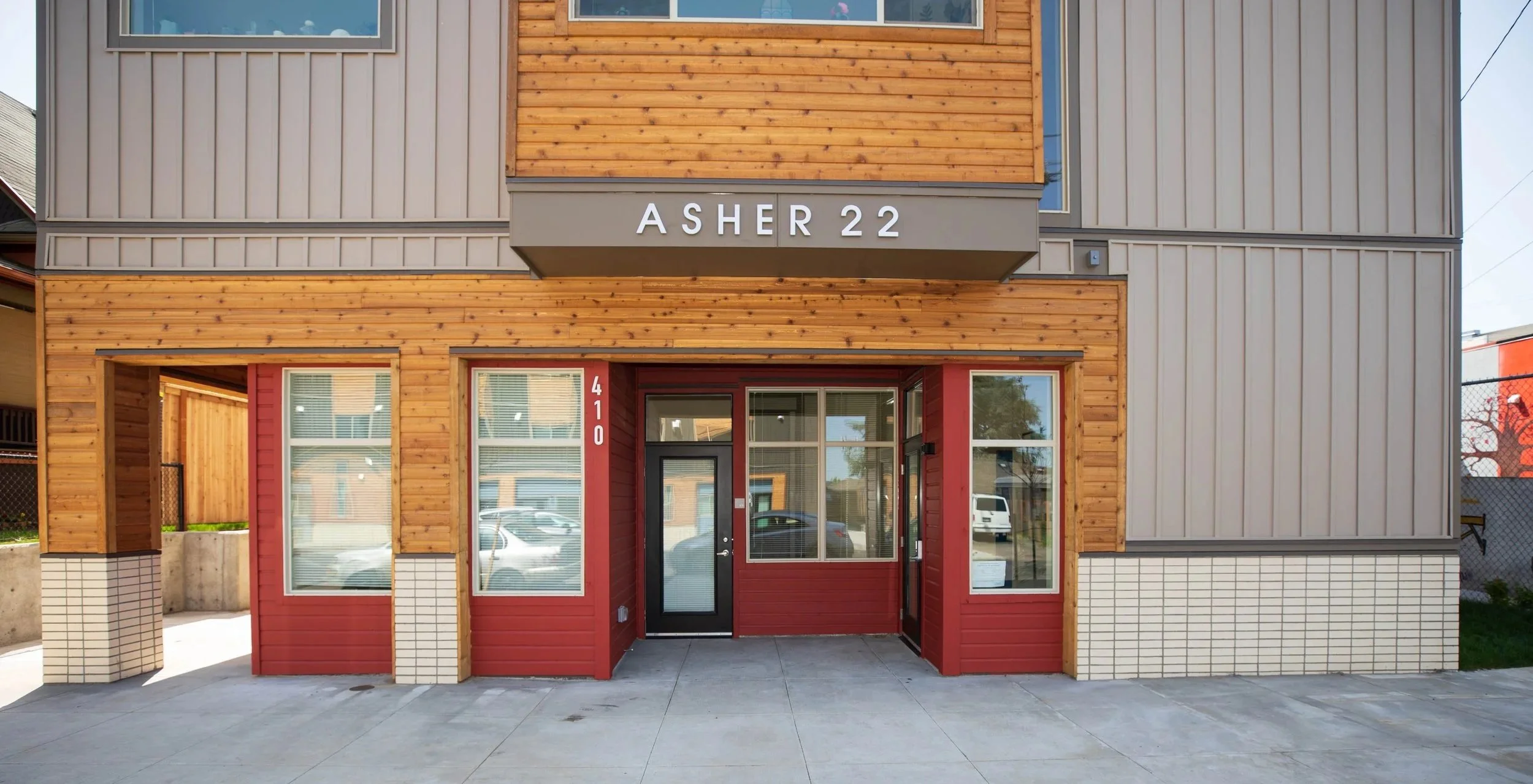
Understanding building type is critical for accurate budgeting.
COSTS BY COMMERCIAL BUILDING TYPE.
INDUSTRIAL/WAREHOUSE
Typically the lowest cost due to simple structure and minimal finishes.
Typical range: $150 – $250 per sq ft
Basic shell construction
Large open spans
Limited interior systems
RETAIL
Retail varies widely depending on tenant requirements.
Typical range: $250 – $450 per sq ft
storefront systems
lighting design
HVAC zoning
interior finishes
OFFICE
Office construction is more complex due to systems integration.
Typical range: $300 – $650 per sq ft
HVAC systems
elevators (multi-story)
electrical/data infrastructure
interior buildouts
MEDICAL/SPECIALTY FACILITIES
Among the highest-cost commercial buildings.
Typical range: $650 – $900+ per sq ft
strict code compliance
specialized mechanical systems
backup power systems
advanced plumbing and filtration
MULTI-FAMILY (APARTMENTS & MIXED-USE RESIDENTIAL)
Typically mid-to-high cost due to structural complexity, building systems, and code requirements.
Typical range: $280 – $420 per sq ft (mid-rise) OR$400 – $650+ per sq ft (high-rise / urban core)
Multi-story structural framing (steel or concrete)
Individual unit plumbing, HVAC, and electrical systems
Shared corridors, elevators, and common areas
Higher fire/life safety and energy code requirements
Amenity spaces and structured parking (in many projects)
SOFT COSTS VS HARD COSTS.
One of the most misunderstood parts of construction budgeting is the difference between hard and soft costs.
HARD COSTS:
Typically, 70–85% of total project cost.
These include physical construction:
labor
materials
structural systems
MEP systems
SOFT COSTS:
Typically 15–30% of total project cost
These include “invisible” project costs:
architecture & engineering
permits & fees
financing
legal
project management
WHAT ACTUALLY DRIVES YOUR FINAL CONSTRUCTION COST?
Even within the same building type, costs vary significantly.
1. DESIGN COMPLEXITY | More complexity = higher labor and coordination costs.
2. MATERIAL SELECTION | Exterior glass systems cost more than standard metal panels or siding.
3. MECHANICAL SYSTEMS (MEP) | HVAC, plumbing, and electrical systems often represent the largest cost category in commercial buildings.
4. SITE CONDITIONS | Poor soil, slope, or limited access increases cost before construction begins.
5. SCHEDULE PRESSURE | Compressed timelines often increase labor costs and inefficiency.
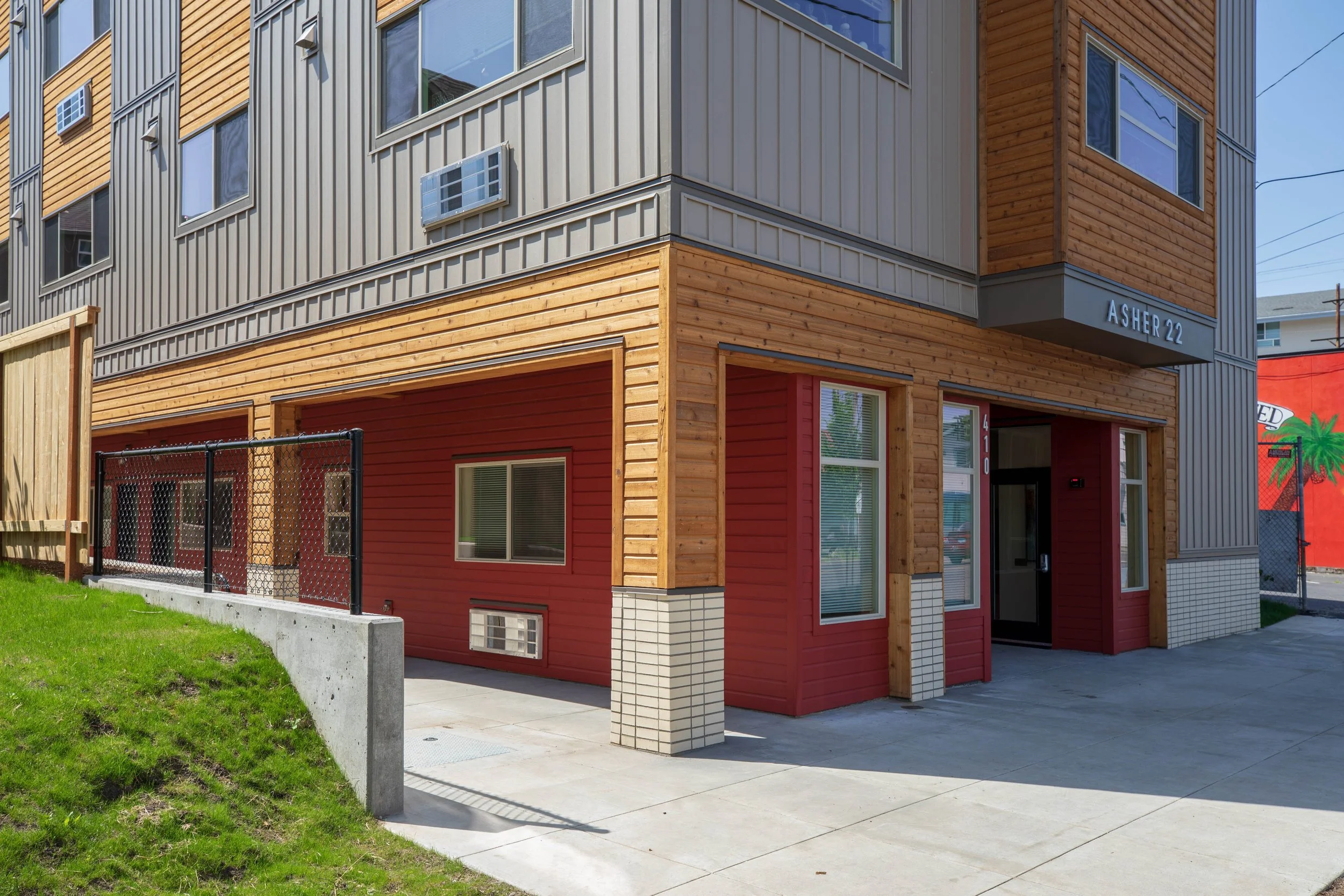
One of the biggest cost mistakes developers make is bringing a contractor in too late.
WHY DOES EARLY CONTRACTOR INVOLVEMENT SAVES MONEY?
In many cases, 70–80% of a project’s cost is influenced during design, not construction. This is why early collaboration has become the preferred approach for developers who want cost certainty.
When contractors are involved during design and planning, they can:
validate budgets early
identify constructability issues
suggest cost-saving materials
improve scheduling
reduce change orders
EXAMPLE BUDGET SCENARIOS (PORTLAND)
These are conceptual ranges and vary based on design and site conditions.
SMALL RETAIL PROJECT (10,000 sq ft)
$2.5M – $4.5M total range
MID-SIZED OFFICE (25,000 sq ft)
$7.5M – $16M total range
INDUSTRIAL FACILITY (50,000 sq ft)
$7.5M – $12.5M total range
HOW DO DEVELOPERS REDUCE CONSTRUCTION COSTS?
Experienced developers don’t just “build”—they plan strategically.
1. PRECONSTRUCTION PLANNING | Identifies cost risks before construction begins.
2. VALUE ENGINEERING | Finds equivalent but lower-cost systems and materials.
3. EARLY CONTRACTOR COLLABORATION | Improves budgeting accuracy and reduces redesigns.
4. CLEAR SCOPE DEFINITION | Prevents change orders during construction.
WHY CONSTRUCTION COSTS KEEP RISING?
Several long-term trends are impacting commercial construction:
labor shortages
rising material costs
stricter energy codes
increased insurance costs
longer permitting timelines
HOW DOES JHC COMPANIES HELPS CONTROL CONSTRUCTION COSTS?
Our goal is simple: Help clients avoid expensive surprises before construction begins. At JHC Companies, we work with developers and property owners during the preconstruction phase to ensure projects are:
accurately budgeted
realistically scheduled
constructible from day one
optimized for cost efficiency
FAQ: ABOUT CONSTRUCTION COSTS
What is the average commercial construction cost in Portland?
Typically, $250 – $650 per square foot depending on building type and complexity.
Why is commercial construction so expensive in Portland?
Due to labor costs, permitting complexity, and higher West Coast material pricing.
What is the biggest cost driver in commercial construction?
Mechanical, electrical, and plumbing systems (MEP), along with labor.
How can developers reduce construction costs?
Through early planning, value engineering, and contractor involvement during design.

Planning a Commercial Construction Project?
Early contractor involvement can help control costs, reduce risk, and streamline project timelines.
JHC Companies works with developers and property owners during the preconstruction phase to deliver efficient, well-planned commercial projects.