
How Early Contractor Involvement Saves Money in Commercial Construction
Commercial construction projects are complex, expensive, and often unpredictable. Many developers reduce risk by working with an experienced commercial construction contractor during the planning phase, yet too many budget overruns and schedule delays stem from a simple issue: the contractor is brought into the project too late.
Traditionally, commercial developments follow the design–bid–build model, where architects complete the design before contractors are invited to bid. While this process has been widely used for decades, it often creates inefficiencies that lead to costly revisions, schedule delays, and unexpected expenses. That’s why more developers, owners, and investors are turning to Early Contractor Involvement (ECI).
Early contractor involvement brings the builder into the project during the planning and design phases, allowing construction expertise to influence decisions before they become expensive to change. Studies suggest that this collaborative approach can reduce construction costs by around 7% and shorten project timelines by about 10% compared to traditional delivery methods. For commercial developers looking to protect budgets and minimize risk, early collaboration with a contractor can make a significant difference.
WHAT IS EARLY CONTRACTOR INVOLVEMENT?
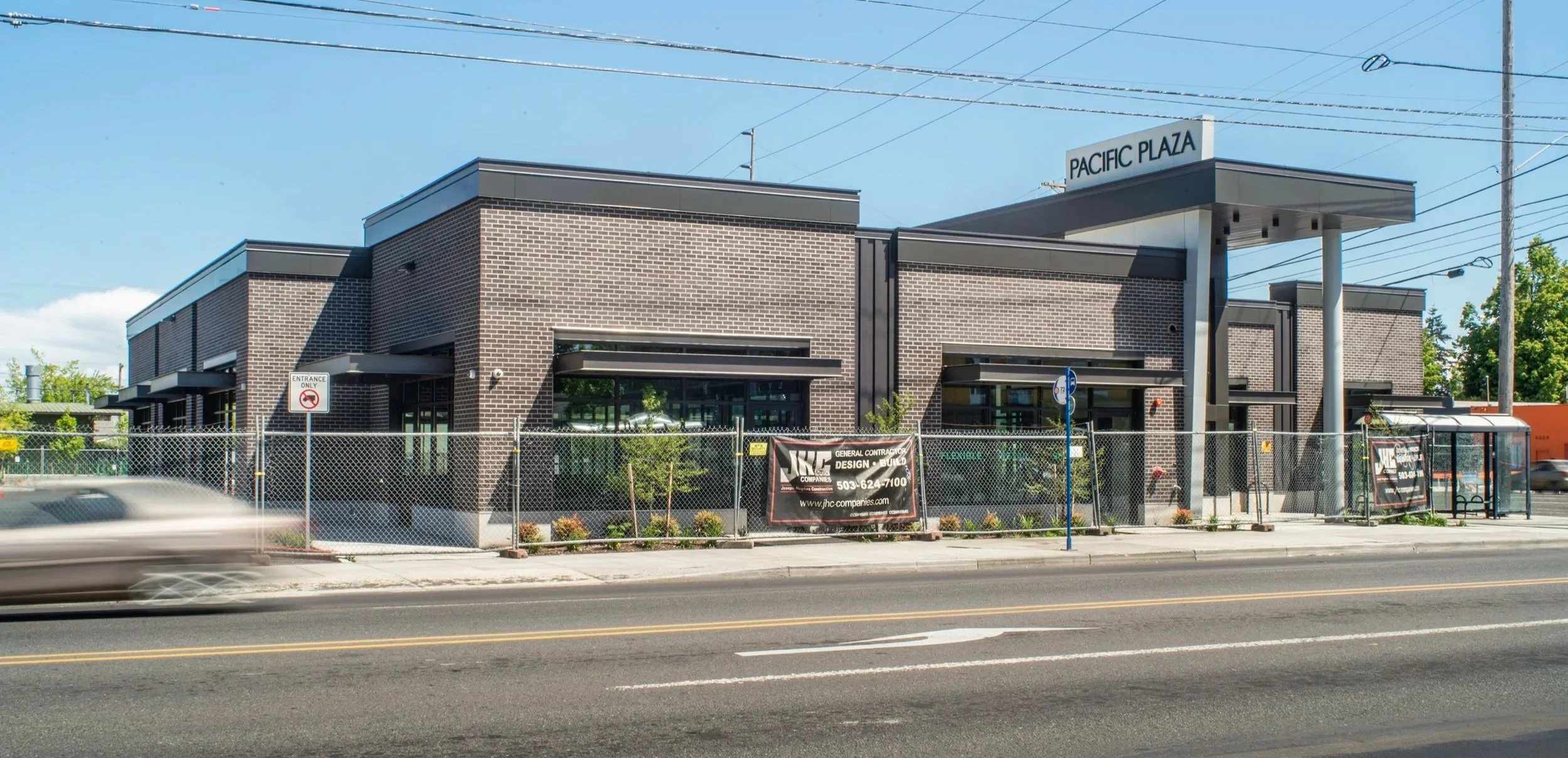
Early contractor involvement typically begins during preconstruction services, where contractors collaborate with architects and developers before construction begins.
Instead of simply building what architects design, contractors contribute practical insights related to:
Budget planning
Material selection
Constructability
Scheduling
Procurement strategies
Risk mitigation
Because contractors bring real-world building experience, they can identify challenges early and recommend cost-efficient solutions before plans are finalized. This collaborative approach helps ensure that the design aligns with realistic budgets, timelines, and construction methods.
WHY TRADITIONAL CONSTRUCTION PROCUREMENT CREATES COST PROBLEMS
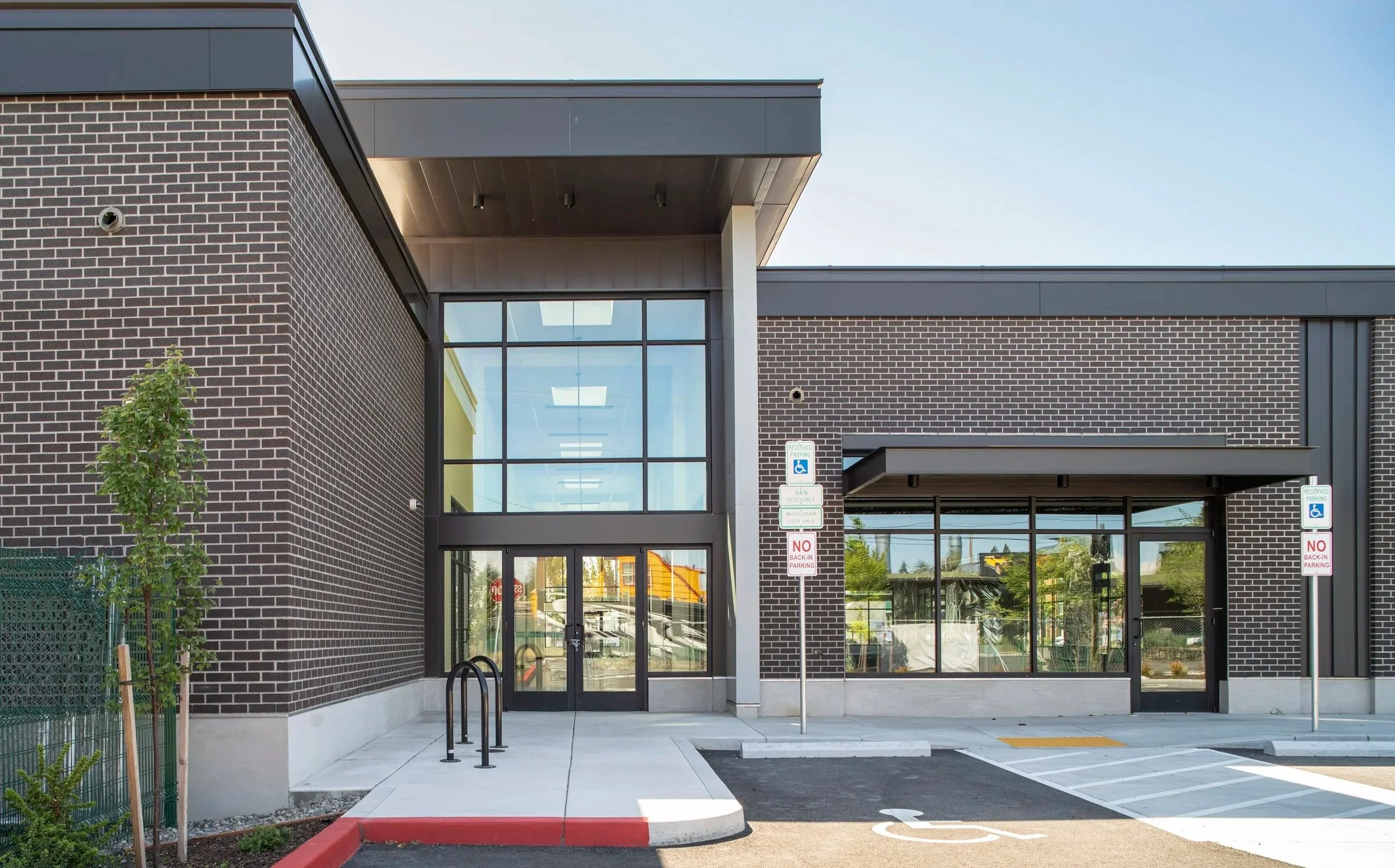
Many developers are shifting toward design-build construction delivery, which encourages collaboration between architects and contractors earlier in the project lifecycle.
The traditional design–bid–build model separates design and construction into distinct phases. This can create several issues:
LIMITED CONSTRUCTABILITY INPUT
Architects and engineers may design systems that look great on paper but are expensive or difficult to build.
BUDGET UNCERTAINTY
Without contractor pricing insight, early estimates may not reflect real market costs.
CHANGE ORDERS DURING CONSTRUCTION
Contractors often identify problems after construction begins, resulting in costly revisions.
DELAYED PROJECT TIMELINES
Design revisions, permitting adjustments, and procurement delays can extend schedules.
Many developers are shifting toward design-build construction delivery, which encourages collaboration between architects and contractors earlier in the project lifecycle. When contractors are involved earlier, these problems can be addressed before construction starts — when changes are cheaper and easier to make.
7 WAYS EARLY CONTRACTOR INVOLVEMENT SAVES MONEY
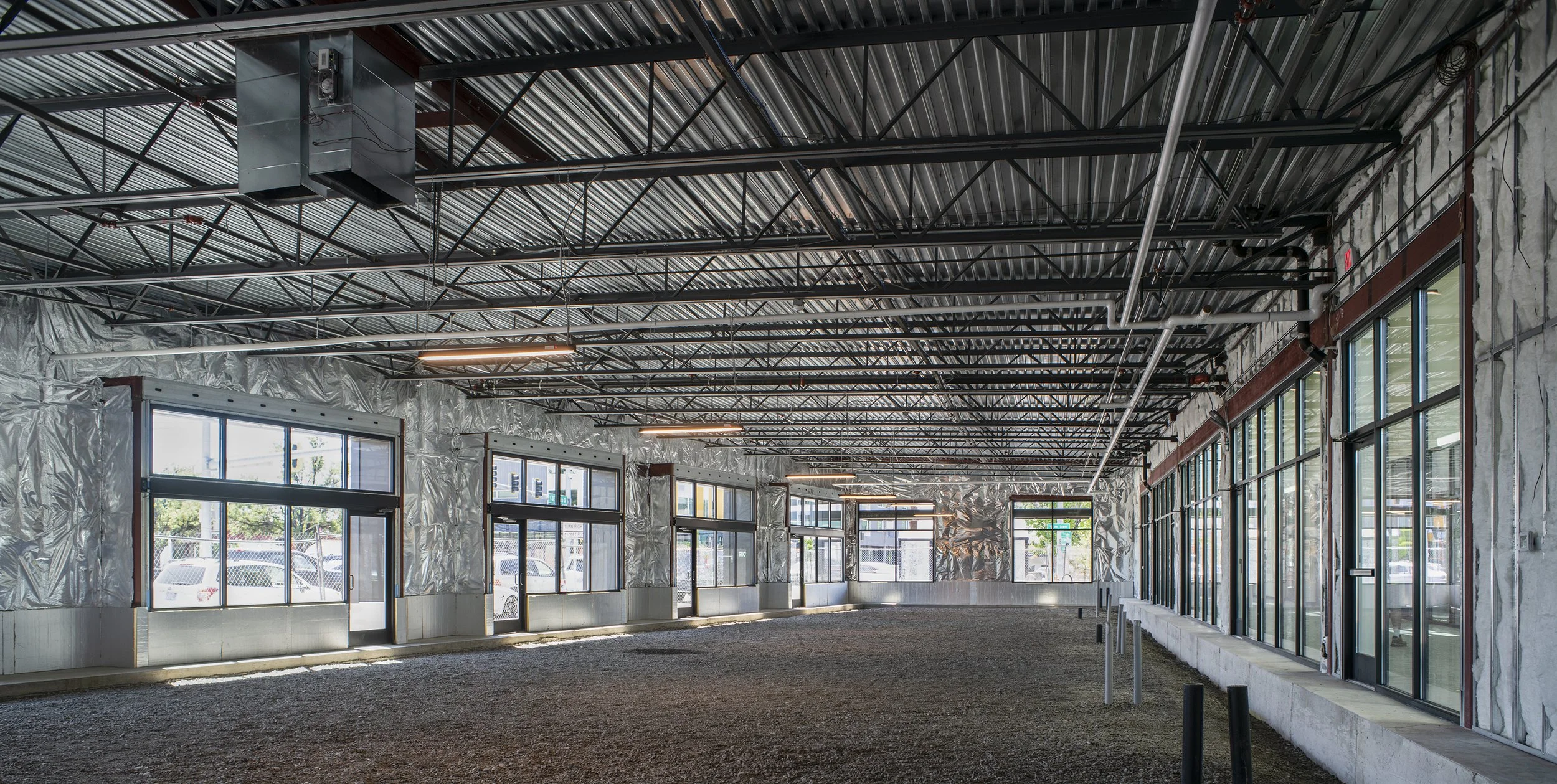
Experienced contractors often identify cost-saving opportunities during design that may not be visible on paper. Reviewing completed commercial construction projects can help illustrate how early planning improves results.
1. MORE ACCURATE BUDGETING
One of the biggest financial risks in commercial construction is inaccurate early budgeting. Contractors working on active projects understand current market conditions including:
Material price fluctuations
Labor availability
Supply chain delays
Equipment costs
By providing real-time pricing insights during design, contractors help ensure that project budgets reflect actual construction costs rather than theoretical estimates. This reduces the likelihood of major cost surprises later.
2. VALUE ENGINEERING WITHOUT REDESIGN COSTS
Value engineering is one of the most powerful ways to control construction costs. When contractors participate early, they can recommend:
Alternative structural systems
More efficient layouts
Cost-effective materials
Prefabricated components
Because these recommendations occur during the design phase, changes can be made without expensive redesigns or delays. When value engineering happens after bidding, it often requires redesign work that adds cost instead of reducing it.
3. FEWER CHANGE ORDERS
Change orders are one of the biggest drivers of construction cost overruns. They typically occur when:
Plans contain conflicts
Details are missing
Systems don’t coordinate properly
Site conditions were misunderstood
Early contractor involvement allows builders to conduct constructability reviews before drawings are finalized. This helps identify design conflicts and construction challenges early, reducing the need for costly changes later.
4. SMARTER MATERIAL SELECTION
Material costs can represent a large portion of construction budgets.
Contractors can help evaluate:
Cost differences between material options
Availability and lead times
Installation efficiency
Lifecycle durability
For example, a contractor might suggest a material that performs the same function but installs faster or requires less labor. These insights can generate significant savings across the entire project.
5. FASTER PROJECT TIMELINES
Time delays in commercial construction can be extremely expensive. They may result in:
Lost rental income
Delayed tenant openings
Increased financing costs
Extended labor expenses
When contractors participate early, they can begin planning:
Construction sequencing
Procurement schedules
Long-lead material orders
Trade coordination
This proactive planning often shortens project timelines and prevents costly delays.
6. BETTER RISK MANAGEMENT
Every construction project involves risks, including:
Unforeseen site conditions
Supply chain disruptions
Design coordination issues
Permit delays
Early contractor involvement helps project teams identify these risks early and develop mitigation strategies before they affect the schedule or budget. This reduces the likelihood of expensive surprises during construction.
7. STRONGER COLLABORATION BETWEEN TEAMS
Construction projects succeed when architects, engineers, and contractors work together toward shared goals. ECI encourages collaboration between stakeholders, helping ensure that design intent, construction feasibility, and budget realities align. Instead of operating in separate silos, the entire team works together to deliver the best outcome.
PROJECTS THAT BENEFIT MOST FROM EARLY CONTRACTOR INVOLVMENT
While ECI can benefit many types of developments, it is especially valuable for:
Commercial office buildings
Industrial and warehouse facilities
Retail developments
Medical and healthcare buildings
Multi-tenant commercial spaces
Complex renovations
Projects with tight schedules or complex design requirements often benefit the most from early contractor collaboration.
EARLY CONTRACTOR INVOLVEMENT VS TRADITIONAL DELIVERY
Early contractor involvement allows project teams to incorporate construction expertise earlier in the process, helping avoid design conflicts and improve project outcomes.
TRADITIONAL DESIGN-BID-BUILD
Contractor hired after design
Design team works separately from builder
Budget finalized only after bidding
Change orders more likely
Problems solved during construction
EEARLY CONTRACTOR INVOLVEMENT
Contractor engaged during design
Builder collaborates with architect and owner
Budget feedback throughout planning
Fewer change orders
Issues resolved before construction begins
WHY DEVELOPERS ARE MOVING TOWARDS EARLY CONTRACTOR COLLABORATION
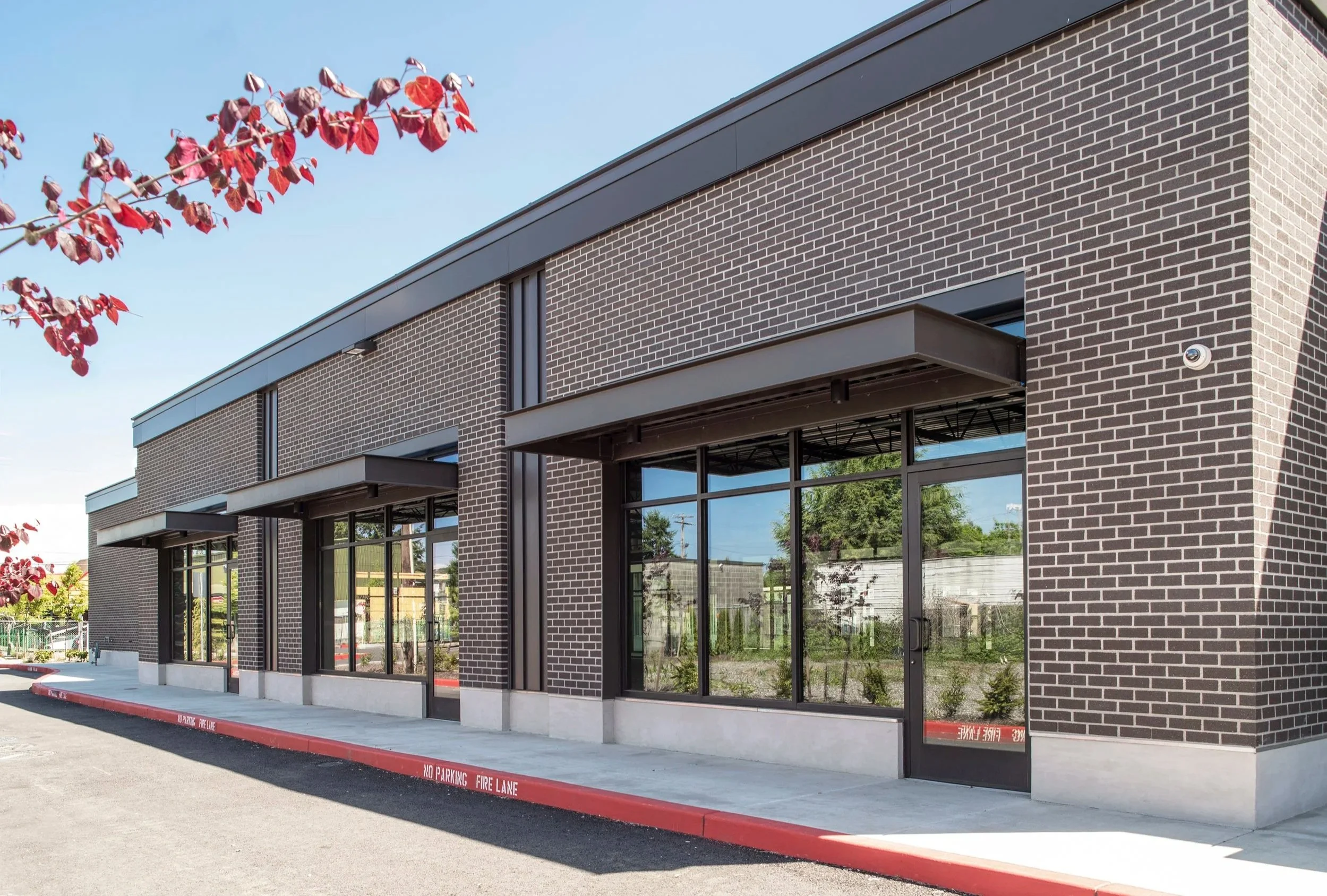
For developers planning new facilities, working with an experienced contractor early can prevent delays and reduce long-term costs.
Modern construction projects face growing challenges:
Rising material costs
Skilled labor shortages
Supply chain volatility
Increasing regulatory complexity
Early collaboration between design teams and contractors helps address these challenges before they impact the project. Developers gain access to practical construction expertise earlier in the process, which improves both planning and decision-making.
HOW JHC COMPANIES ADDS VALUE DURING PRECONSTRUCTION
At JHC Companies, we believe the most successful projects begin long before construction starts. By engaging with clients early, our team helps guide critical decisions related to:
Budget planning
Constructability
Project scheduling
Risk mitigation
Material and system selection
This proactive approach helps our clients avoid costly surprises and deliver commercial projects more efficiently. Instead of simply executing a finished design, we work alongside architects, engineers, and developers to ensure that each project is buildable, efficient, and financially sound.
FINAL THOUGHTS
In commercial construction, the most important decisions happen during the planning phase. When contractors are brought in early, project teams gain valuable construction expertise that helps control costs, avoid delays, and reduce risk.
Early contractor involvement enables smarter budgeting, better design coordination, and more efficient project delivery. For developers and property owners, it’s not just a construction strategy—it’s a financial advantage that can determine the success of the entire project.

Planning a Commercial Construction Project?
Early contractor involvement can help control costs, reduce risk, and streamline project timelines.
JHC Companies works with developers and property owners during the preconstruction phase to deliver efficient, well-planned commercial projects.