
Safety Starts Long Before the First Hard Hat Hits the Jobsite - What Makes a Construction Project Truly Safe?
When most people think about construction safety, they picture hard hats, high-visibility vests, daily safety meetings, and crews following OSHA regulations on an active jobsite. While these practices are essential, they're only one part of creating a safe and successful project.
The safest construction projects are often the result of decisions made long before equipment arrives, fencing is installed, or the first shovel hits the ground. During preconstruction, project teams begin evaluating far more than budgets and schedules. They consider how construction will be performed, how people will safely move through and around the site, how materials will be delivered and staged, and how construction activities may impact neighboring businesses, occupants, or the surrounding community.
By identifying potential challenges early, teams have the opportunity to adjust logistics, improve sequencing, coordinate with the design team, and reduce risk before construction begins. Those early decisions not only create safer jobsites—they also help protect project budgets, maintain schedules, and improve the overall construction experience for everyone involved.
Simply put, safety isn't something that's added once construction starts. It's built into the project during preconstruction.
Safety Begins during Preconstruction.
Preconstruction is where many of the decisions that influence jobsite safety are made.
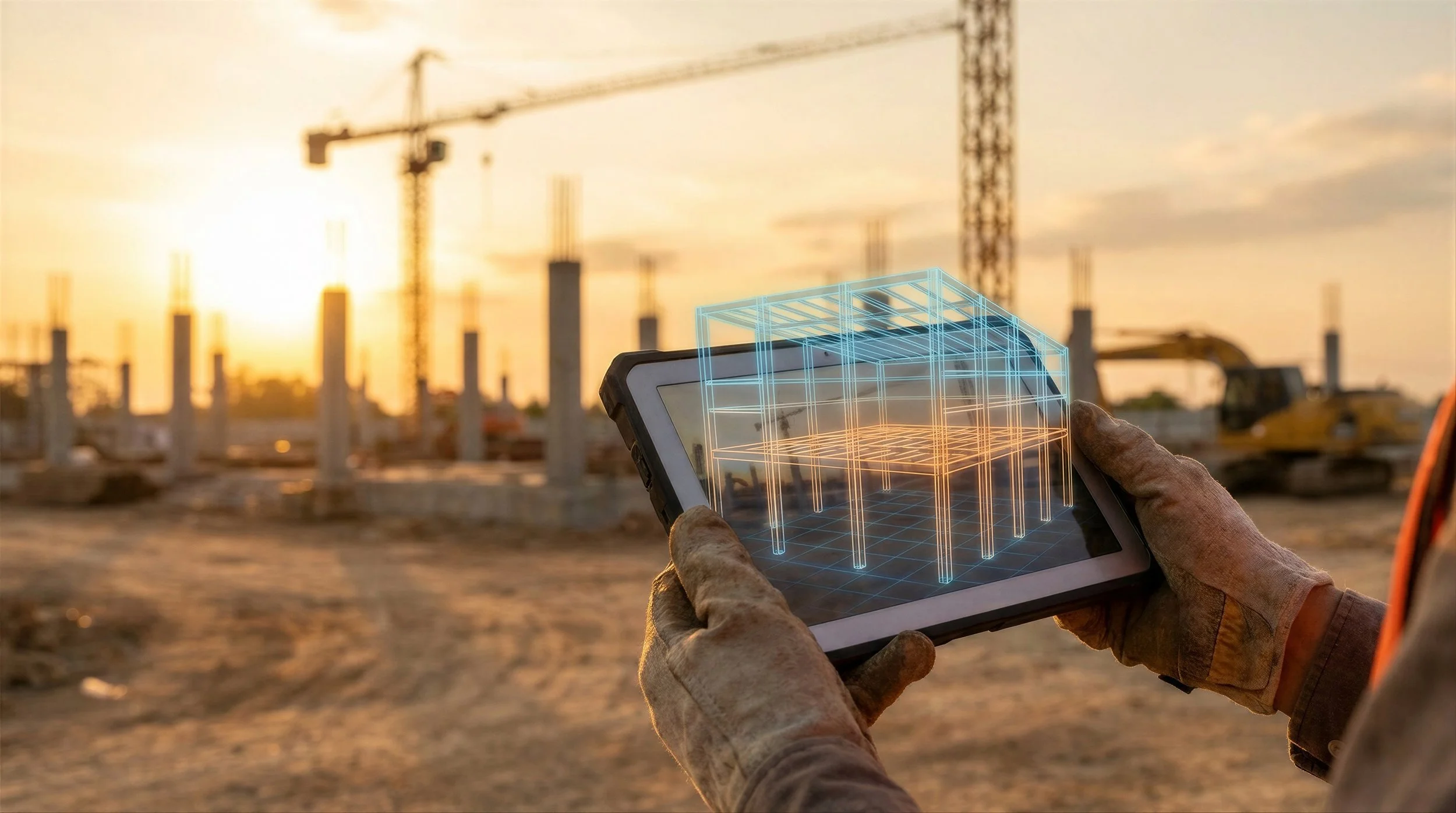
Before permits are issued or crews mobilize, contractors evaluate how construction will actually happen—not just what will be built. This planning process helps identify opportunities to improve efficiency, reduce conflicts, and create a safer environment before work ever begins. Project teams review site logistics, equipment access, delivery routes, temporary fencing, utility coordination, emergency access, pedestrian circulation, and construction sequencing. These conversations often uncover challenges that aren't immediately visible on a set of drawings but can significantly impact both safety and productivity once construction is underway.
Preconstruction also includes constructability reviews, where contractors evaluate the design to identify details that could create unnecessary challenges in the field. Addressing design conflicts, improving sequencing, and coordinating building systems before construction begins helps reduce rework, minimize disruptions, and support a safer jobsite.
Planning ahead allows projects to move forward with greater confidence while reducing the likelihood of last-minute changes that impact both safety and project performance.
Every Project Has Different Safety Challenges.
No two construction projects are exactly alike, and neither are their safety considerations.
An occupied office renovation presents a very different set of challenges than a new retail development, healthcare facility, industrial building, or historic renovation. Every project requires a planning strategy based on the building, site conditions, surrounding environment, and how the space will be used throughout construction.
Occupied renovation planning often focuses on maintaining safe access for employees, customers, tenants, patients, or residents while minimizing disruptions to daily operations. Temporary barriers, dust control, noise management, phased construction, after-hours work, and clear communication all become important components of the project plan.
Ground-up construction introduces different priorities, including equipment movement, excavation safety, underground utility coordination, weather exposure, and separating construction activities from the public.
Historic renovations often require additional planning to account for aging structures, limited access, unknown existing conditions, and preserving original building elements while safely completing modern improvements.
Recognizing these unique challenges during preconstruction allows the project team to develop solutions tailored to the project instead of reacting to issues after work begins.
Good Planning Protects More Than People.
Safety planning doesn't only help prevent incidents—it contributes to stronger project outcomes from start to finish.
When construction activities are thoughtfully planned, projects often experience better coordination between trades, more efficient material deliveries, fewer logistical conflicts, and smoother day-to-day operations. Crews can work more effectively when equipment, materials, and work areas are organized before construction begins. This level of planning can also help reduce rework, minimize schedule disruptions, avoid unnecessary change orders, and improve communication between everyone involved in the project.
For occupied buildings, proactive planning helps protect more than the jobsite. It minimizes disruptions to employees, customers, tenants, and visitors by maintaining safe access, controlling dust and noise, and scheduling disruptive work when it has the least impact on daily operations. Ultimately, thoughtful preconstruction planning protects people, schedules, budgets, and business continuity.
Collaboration Makes Projects Safer.
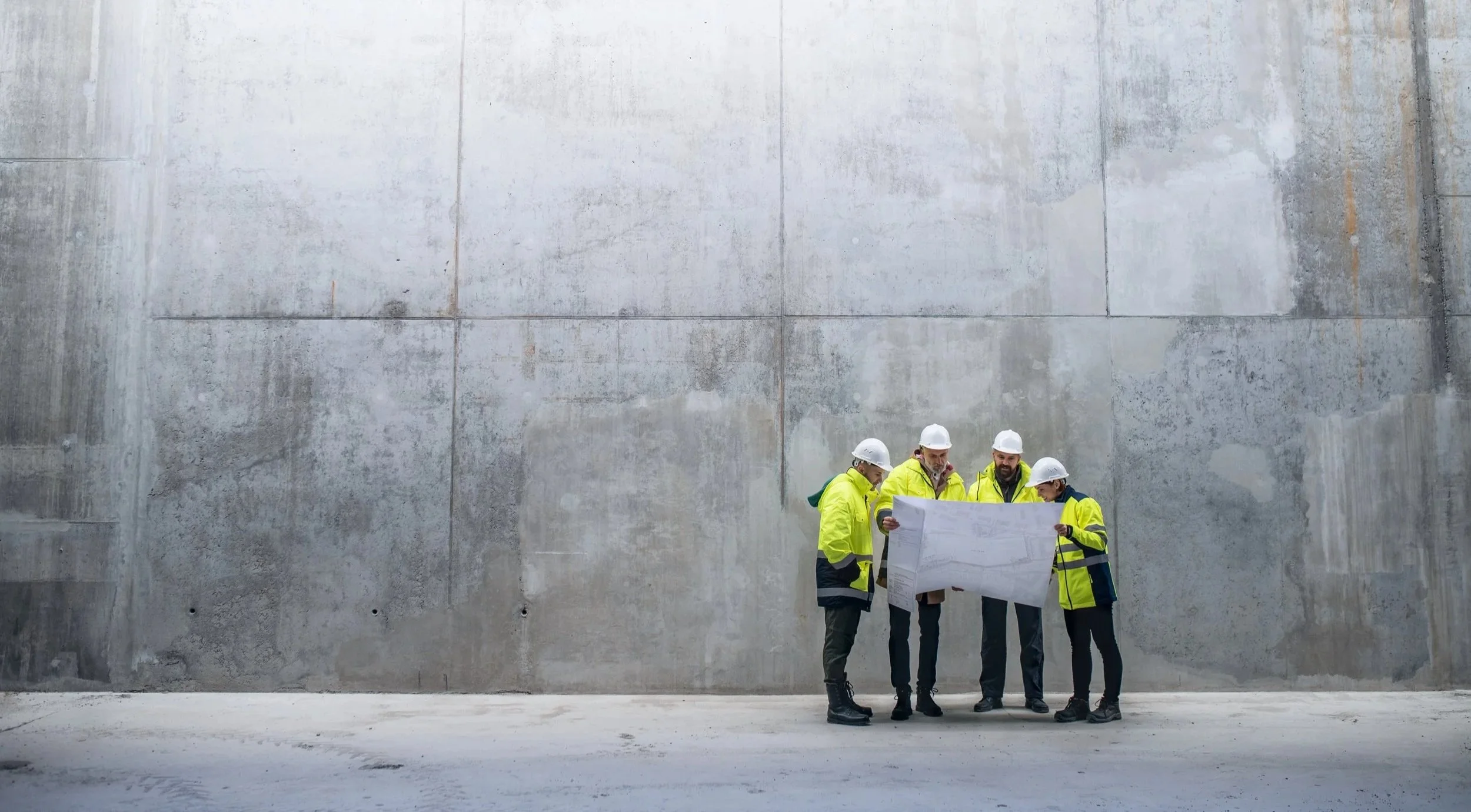
Some of the most valuable safety decisions happen when owners, architects, engineers, and contractors collaborate early in the design process.
Bringing the construction team into the conversation during preconstruction allows practical construction experience to inform project decisions while changes are still relatively simple to make. Contractors can evaluate constructability, identify potential logistical challenges, recommend sequencing improvements, and coordinate site operations before construction begins.
These collaborative conversations often improve more than safety. They streamline construction, strengthen coordination between project partners, reduce unnecessary complexity, and create a more predictable path from design through completion. When every project partner is working toward the same goal from the beginning, projects are better prepared for the challenges that naturally arise during construction.
Questions Every Owner Should Ask Before Construction Begins.
Whether you're planning a tenant improvement, renovating an occupied building, or developing a new commercial facility, asking the right questions during preconstruction can significantly improve project outcomes. These conversations encourage proactive planning instead of reactive problem-solving once construction is underway.
Consider discussing questions like these with your project team before construction begins:
How will employees, customers, or visitors safely access the building during construction?
Where will materials and equipment be staged?
How will deliveries be coordinated to minimize congestion?
What work should occur after normal business hours?
How will emergency access be maintained?
What temporary protections or barriers will be required?
Has the project team completed a site logistics review?
Have constructability challenges been identified?
What potential risks have already been discussed, and how will they be managed?
Safety Is Everyone's Responsibility.
Creating a safe project isn't the responsibility of one individual or one company.
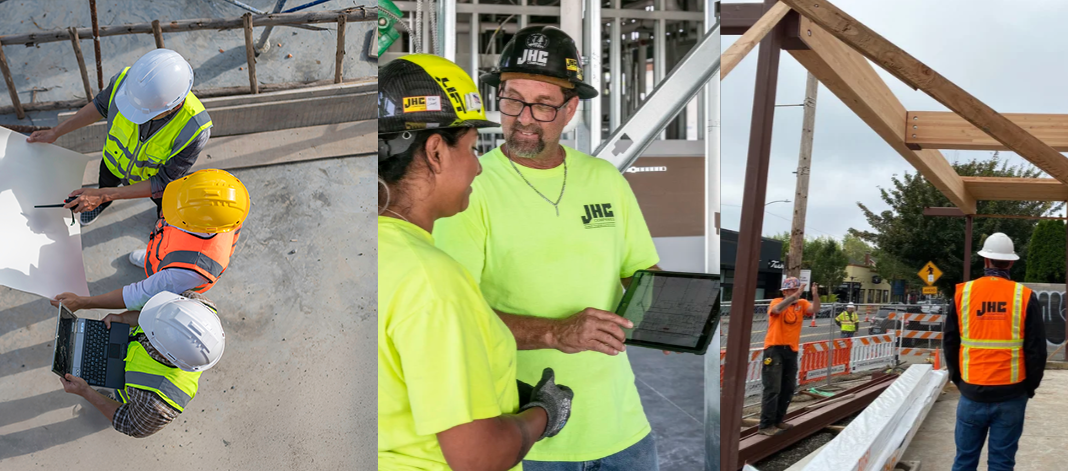
Owners, architects, engineers, contractors, subcontractors, inspectors, and suppliers all contribute to creating a successful project. Each partner plays an important role in identifying risks, communicating effectively, and making informed decisions throughout every phase of construction.
When safety is viewed as a shared responsibility rather than a standalone program, it becomes part of every conversation—from early design meetings through project completion. That collaborative mindset creates safer jobsites, stronger partnerships, and better outcomes for everyone involved.
The Best Time to Solve Safety Challenges Is Before Construction Starts.
Every commercial construction project involves uncertainty. Existing conditions change, schedules evolve, and unexpected challenges inevitably arise.
The projects that perform best aren't necessarily the ones with the fewest obstacles—they're the ones that invested time in planning before construction ever began.
At JHC Companies, we believe preconstruction is one of the most valuable investments a project team can make. It's where budgets become more reliable, schedules become more predictable, and potential risks can be identified before they affect the jobsite. By investing time in logistics planning, constructability reviews, sequencing, and collaboration early in the process, project teams create the foundation for safer construction, stronger communication, and more successful project outcomes. Because the safest construction projects don't begin with a hard hat—they begin in preconstruction.

Planning a Commercial Construction Project?
Early conversations can uncover opportunities to improve site logistics, reduce risk, and keep your project moving efficiently from day one.